
Bambili Energy confirms Hydrogen Fuel Cell manufacturing plan at students' graduation
By: Rebecca Campbell

South African hydrogen energy company Bambili Energy CEO Zanele Mavuso Mbatha has confirmed that her company will start production of hydrogen fuel cells next year.
She was addressing a graduation ceremony on Thursday for students who had completed a six-week training course to skill them in the installation, operation and maintenance of hydrogen fuel cells.
She also announced that her company and the Energy and Water Sector Education and Training Authority (Ewseta) had cooperated to select a number of the course graduates for one-year internships at Bambili next year. When the company’s manufacturing facility was inaugurated later next year, it would be possible to offer them, and perhaps other course graduates, full-time jobs, as the company would have to recruit staff for the facility.
The training course was an idea that Bambili had proposed to the Department of Science and Innovation (DSI). She praised the DSI for being open to new ideas and described the partnership between the company and the department as “phenomenal”.
Developing and implementing the training course required the creation of “some amazing partnerships”, she highlighted. In addition to Bambili, the DSI and Ewseta, the partnership involved the DSI’s Hydrogen South Africa programme (better known as HySA), the South African National Energy Development Institute, and the University of Pretoria.
The programme provided training for currently unemployed graduates from technical and vocational education and training colleges. The trainees all had N4- or N6-level qualifications in chemical and electrical engineering.
“Johannesburg is considered to be one of the largest man-made urban forests in the world,” observed Mbatha.
This reflected the foresight and determination of people many years ago. She then used this as a metaphor for the graduating students, saying that they were the “trees”
from which the future “forest”
of a new industry would be formed.
She affirmed that the significance of the training they had received was not so much about what they had learned but about the mindset that had hopefully been created in them. She assured them that they had phenomenal careers ahead of them, as they drove a new industry. The intent was to create a hydrogen economy in South Africa.
Editor: Rebecca Campbell
See link below for article.

December 17, 2020

The Chairperson of the Public Investment Corporation (PIC) Board, Dr David Masondo, visited HyPlat in Cape Town on Wednesday as part of the corporation's oversight programme to assess investments aimed at supporting South Africa's long-term economic development. HyPlat is a subsidiary of Bambili Energy, a South African hydrogen technology company in which the PIC acquired a 15% shareholding in October 2023 through investment mandates from the Government Employees Pension Fund (GEPF) and the Department of Science, Technology and Innovation (DSTI). The company manufactures membrane electrode assemblies (MEAs), a key component used in hydrogen fuel cells and electrolysers. Developed through South Africa's Hydrogen South Africa (HySA) programme and run out of the University of Cape Town, HyPlat is the country's first manufacturer and exporter of MEAs to European customers. The PIC said its investment was intended to support Bambili Energy's transition from research and development to commercialisation. The company has since completed a bankable feasibility study, positioning it to raise capital for a planned large-scale manufacturing facility. Speaking during the visit, Masondo said the oversight programme allows the PIC Board to assess the impact of its investments. "Investments such as Bambili Energy demonstrate how patient capital is driving industrialisation, adding value to our minerals, such as platinum, while enhancing energy security and supporting decarbonisation through hydrogen energy," he said. Bambili Energy operates across the hydrogen manufacturing value chain, producing membrane electrode assemblies, platinum-based catalysts and fuel cell systems. The PIC said the investment supports South Africa's objective of mineral beneficiation by converting locally sourced platinum group metals into higher-value manufactured products instead of exporting raw materials. According to the completed feasibility study, the planned manufacturing facility is expected to create approximately 440 direct jobs during construction and around 1 200 direct jobs once it reaches full production. The project is expected to develop specialised technical skills, expand exports of locally manufactured technology and strengthen South Africa's position in global clean energy value chains. The facility is planned to be located near research institutions, logistics infrastructure and South Africa's platinum mining ecosystem to support localisation, industrialisation and export-led growth. Bambili Energy has also partnered with the University of Pretoria to develop specialised fuel cell skills. The partnership has already produced 30 qualified fuel cell technicians, while the company's training programme has received approval from the Quality Council for Trades and Occupations (QCTO). The PIC said the oversight visit enabled its Board to review the company's progress against the original investment case, assess commercial milestones achieved since the investment and engage management on future growth plans as the business moves towards full-scale manufacturing. The visit forms part of the PIC Board's broader oversight programme aimed at strengthening governance, accountability and transparency through direct engagement with companies in which it has invested. The PIC manages approximately R3 trillion in assets on behalf of its clients and says it remains committed to investing responsibly while supporting sustainable economic development, industrial expansion and long-term value creation. – SAnews.gov.za
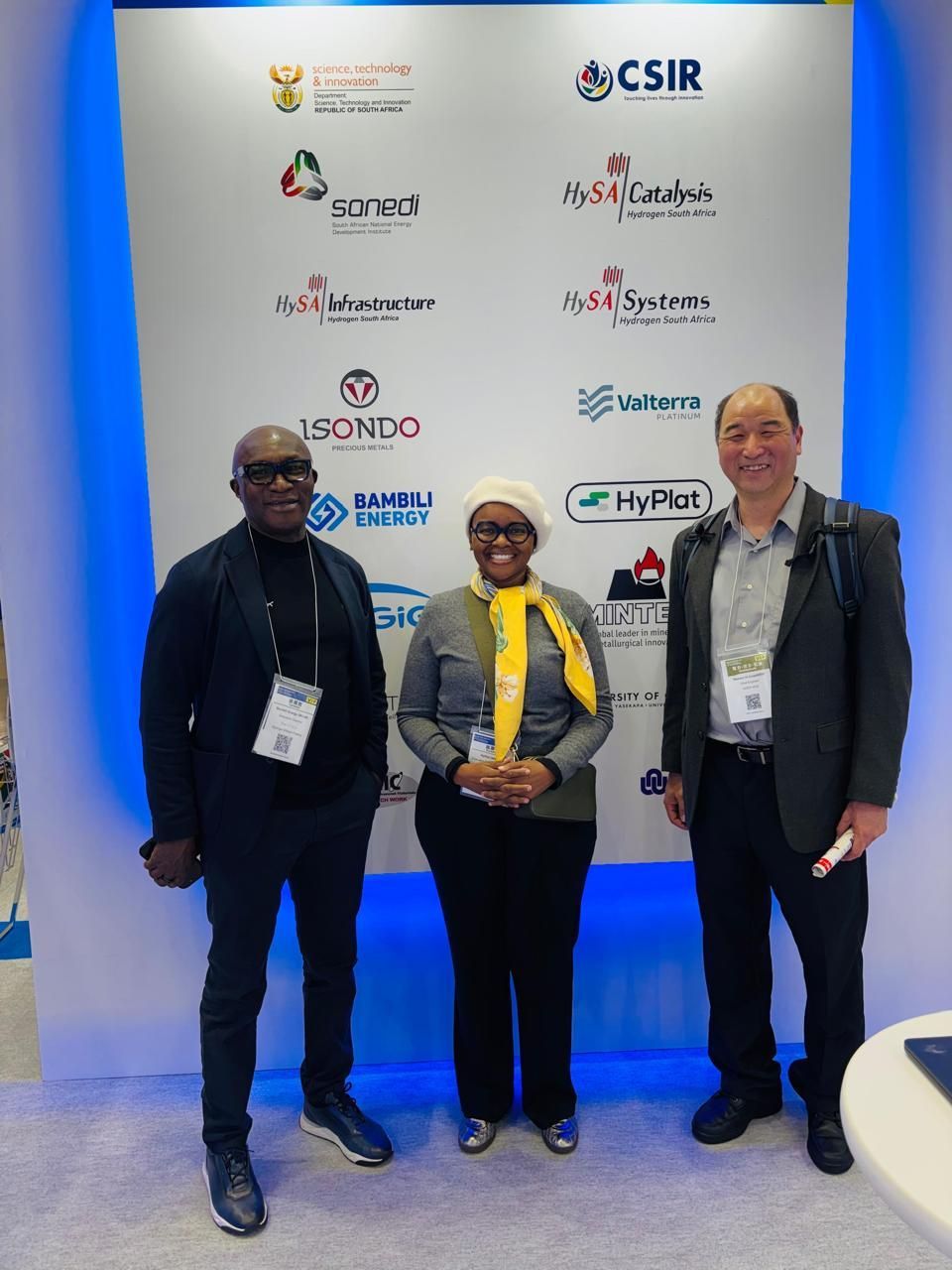
The 25th Hydrogen & Fuel Cell Expo (H2 & FC EXPO) JAPAN
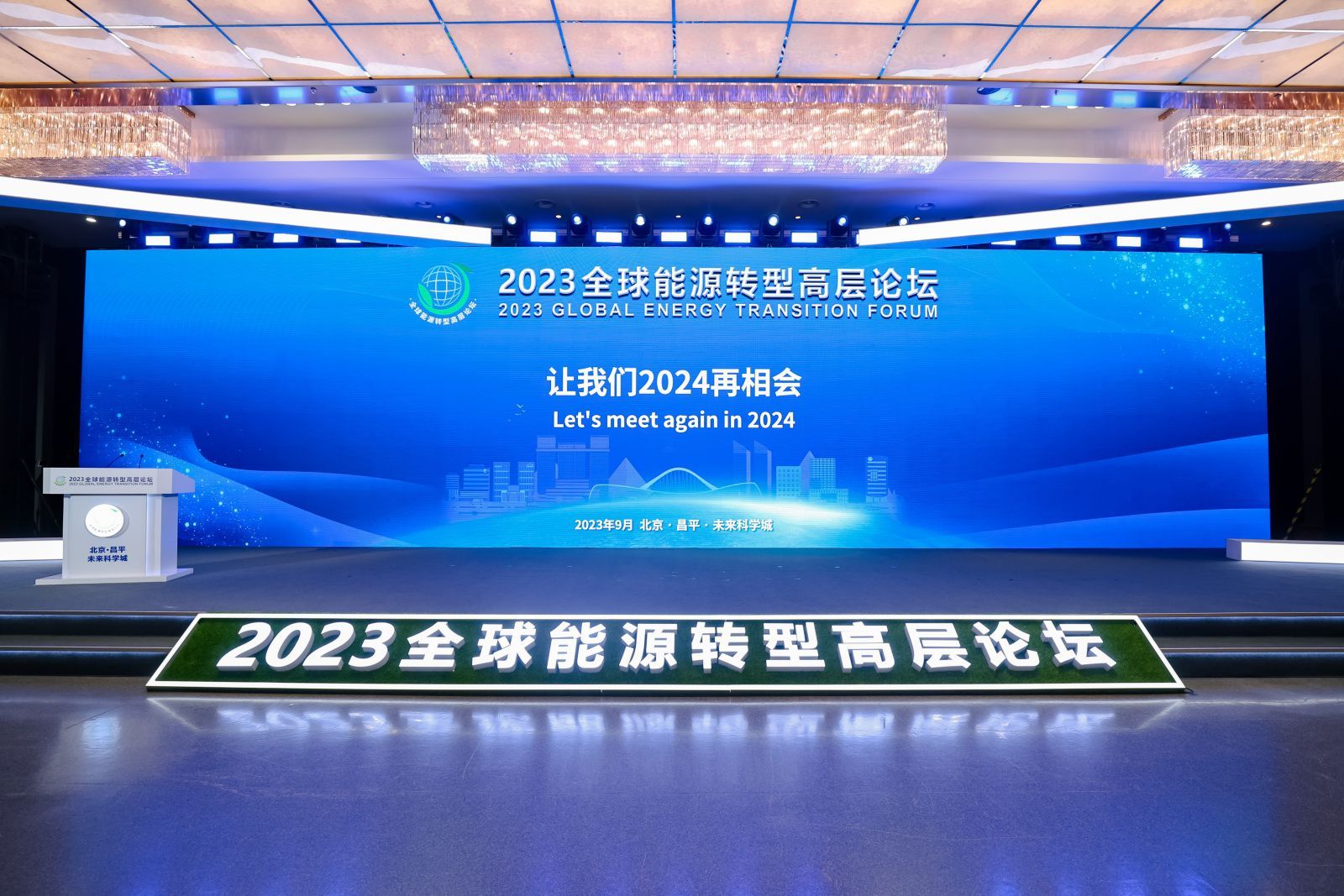
Beijing 2023 Global Energy Transition Forum
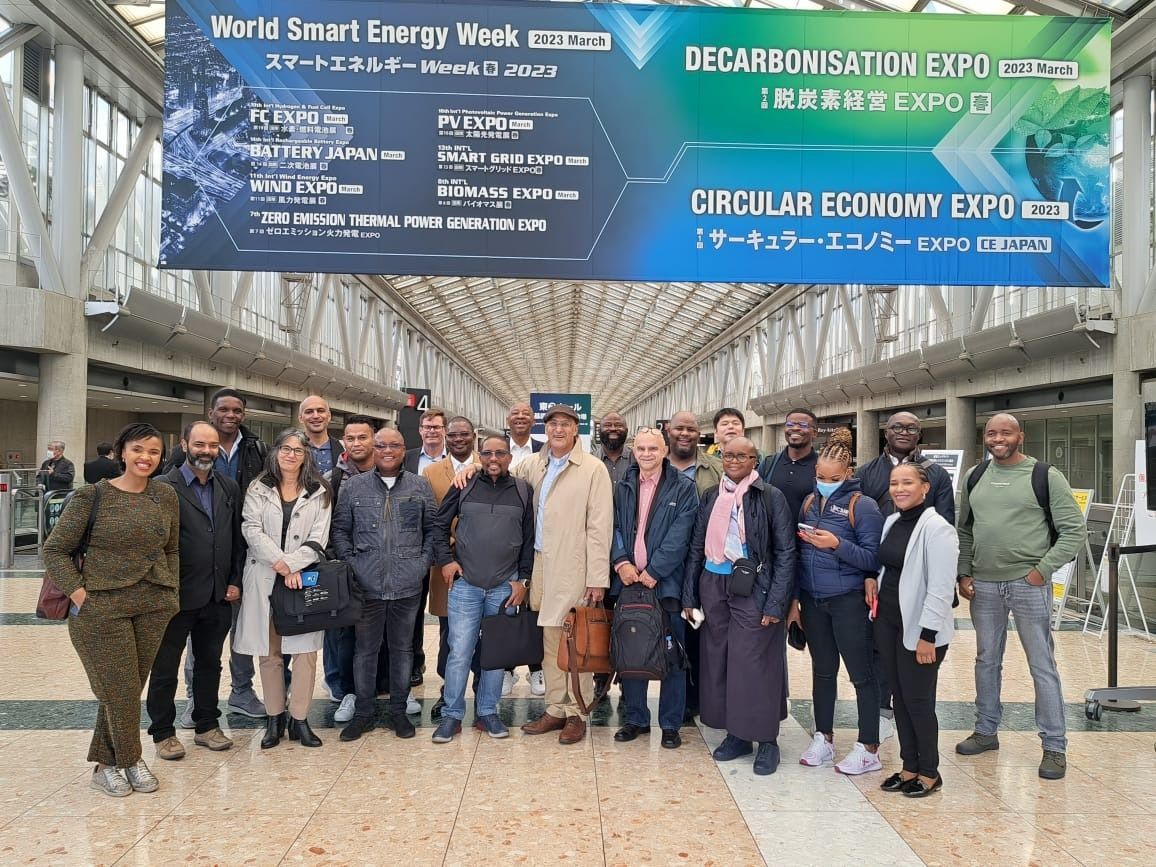
World's largest class! New Energy Comprehensive Exhibition
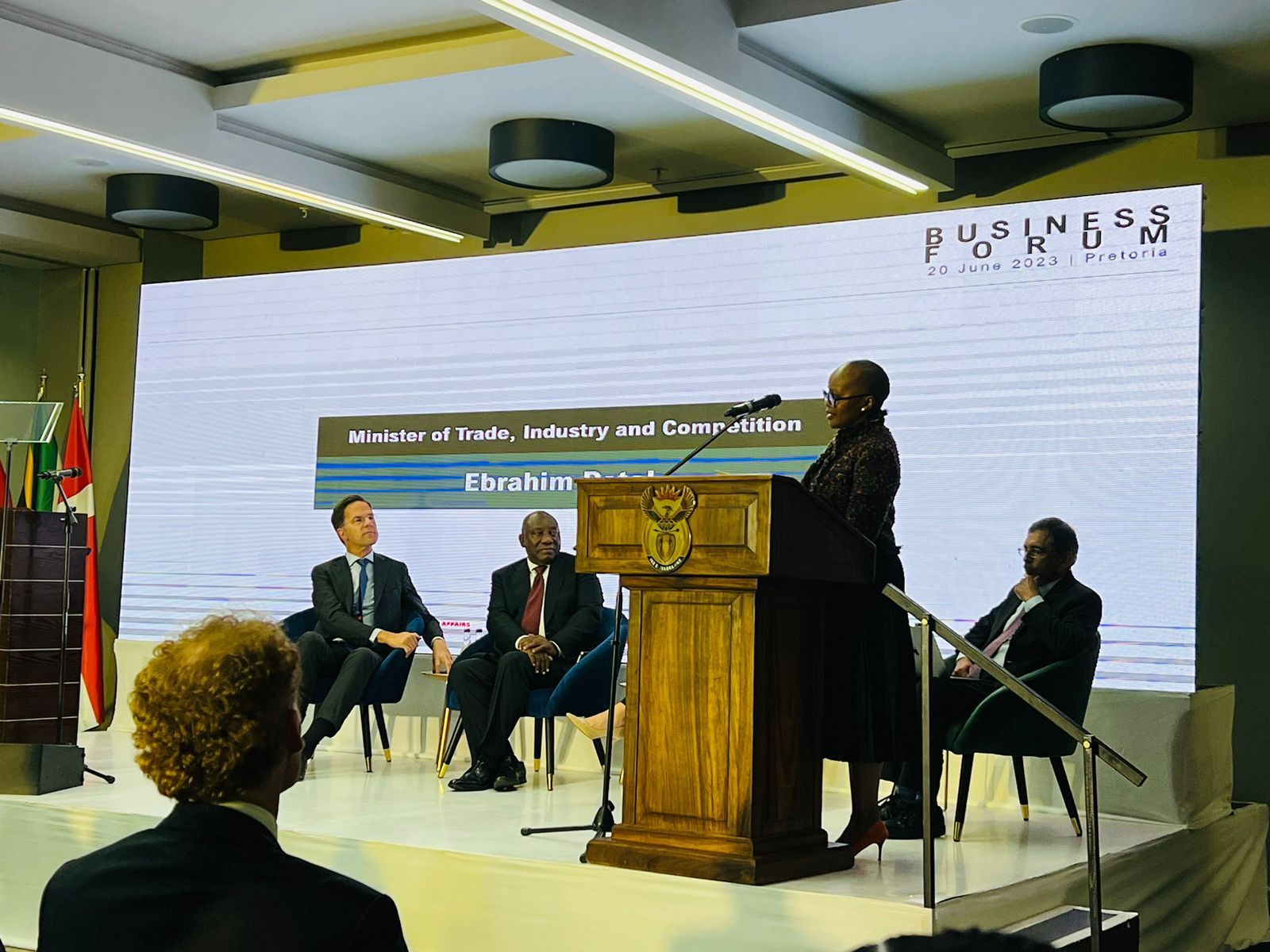
PRESIDENT RAMAPHOSA TO HOST JOINT WORKING VISIT BY PRIME MINSTER RUTTE OF THE NETHERLANDS AND PRIME MINISTER FREDERIKSEN OF DENMARK
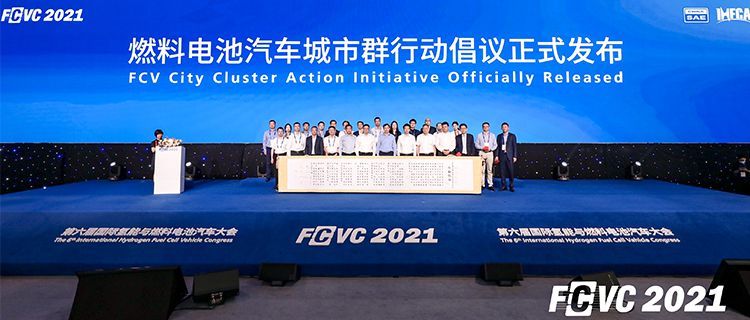
On July 5-7, 2023, the Society of Automotive Engineers of China and the International Hydrogen Fuel Cell Association successfully held the 2023 International Hydrogen Energy and Fuel Cell Vehicle Conference and Exhibition (hereinafter referred to as the "Conference"). With the theme of "demonstration leads, hydrogen inspires the future", the conference focuses on the demonstration application and commercialization of fuel cell vehicles, multi-field application innovation practices, clean hydrogen production and commercial development paths, infrastructure and storage and transportation safety, and core components In-depth discussions on hot topics such as key technologies and key equipment for the hydrogen energy industry, and actively provide suggestions for the high-quality development of hydrogen energy and fuel cell vehicle industries. Hou Fushen, Deputy Secretary-General of SAE-China presided over the opening ceremony. Miao Changxing , first-level inspector of the Equipment Industry Department of the Ministry of Industry and Information Technology, Wang Qinglin, first-level inspector of the International Cooperation Department of the China Association for Science and Technology, Han Dadong , director of the Intelligent Manufacturing Promotion Division of the Shanghai Economic and Information Commission, and Li Feng , deputy head of the People's Government of Jiading District, Shanghai speech. Zou Ciyong , Deputy Director-General of the United Nations Industrial Development Organization , Klaus Bonhoff , Director of the Basic Policy Department of the German Federal Ministry of Digitalization and Transport, and Rebecca Maserumule, President of the International Partnership for Hydrogen Energy and Fuel Cell Economy, delivered video speeches at the conference. With the theme of "demonstration leads, hydrogen inspires the future", the conference focuses on the demonstration application and commercialization of fuel cell vehicles, multi-field application innovation practices, clean hydrogen production and commercial development paths, infrastructure and storage and transportation safety, and core components In-depth discussions on hot topics such as key technologies and key equipment for the hydrogen energy industry, and actively provide suggestions for the high-quality development of hydrogen energy and fuel cell vehicle industries.
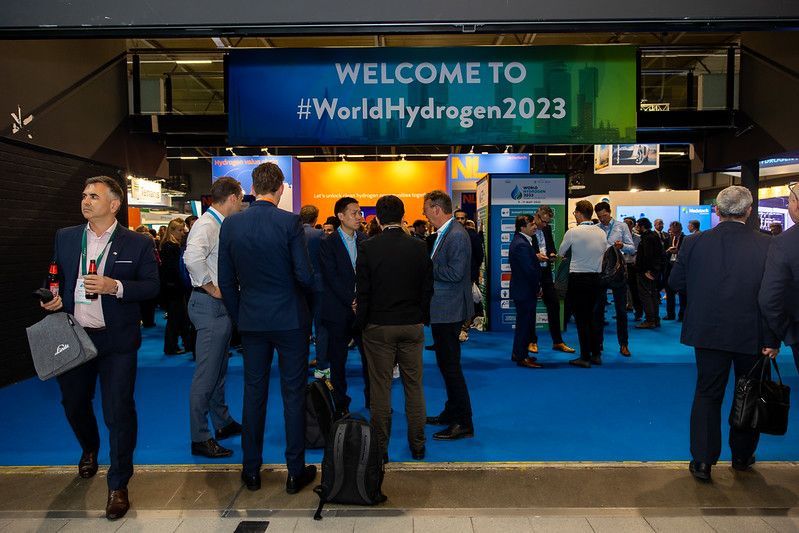
The Global Platform Where Hydrogen Deals Get Done.
South Africa is participating in the world’s largest exhibition in the hydrogen and fuel cell (FC) industry, showcasing the latest technologies, research and development innovation, components, materials and devices. Taking place in Tokyo from 15 to 17 March, the 2023 Hydrogen and Fuel Cell Expo forms part of a series of events that comprise World Smart Energy Week. In line with global developments, South Africa sees the hydrogen economy as a potential game changer to re-industrialise the country and to become an exporter of cost-effective green hydrogen to the world, leveraging its abundant mineral and natural resources such as solar and wind. The Cabinet approval of the National Hydrogen Society Roadmap for South Africa 2021 and the release of the Hydrogen Valley Feasibility Study Report are the culmination of a long-standing investment by the Department of Science and Innovation (DSI) in the development and application of scientific knowledge domains such as the hydrogen economy, which South Africa sees as critical for advancing national development and global competitiveness. The DSI considers the expo platform to be an opportunity to showcase the relevant infrastructure, technical capabilities and competencies established through the three Centres of Competence (HySA Catalysis, HySA Infrastructure and HySA Systems) as part of implementing the DSI-supported Hydrogen South Africa (HySA) Programme. In addition to the three HySA Centres of Competence, the DSI has invited eight South African companies (HyPlat, Bambili Energy, Anglo American Platinum , Coega Development Corporation, Sasol Limited, Hive Energy, InfiniX Energy and Midnite Aerospace Solutions) to be part of the exhibitors in the South African pavilion. The Council of Scientific and Industrial Research, an entity of the DSI, will also exhibit its work towards the development of a hydrogen-powered unmanned aerial vehicle, using locally developed fuel cell technology to support efforts to decarbonise aviation in South Africa. Apart from showcasing their capabilities, stakeholders will be able to explore complementary partnerships to unlock the potential socio-economic benefits of the integration of hydrogen and fuel-cell technologies in various sectors of the economy. The South African pavilion will demonstrate the country’s potential to sell green hydrogen and green ammonia to countries such as Japan and the UK at globally competitive prices, as well as the ability to create an enabling ecosystem that supports hydrogen innovation and skills development. The expo will also be used to explore strategic partnerships that will promote the manufacturing of locally developed intellectual property across the Hydrogen Valley corridor.
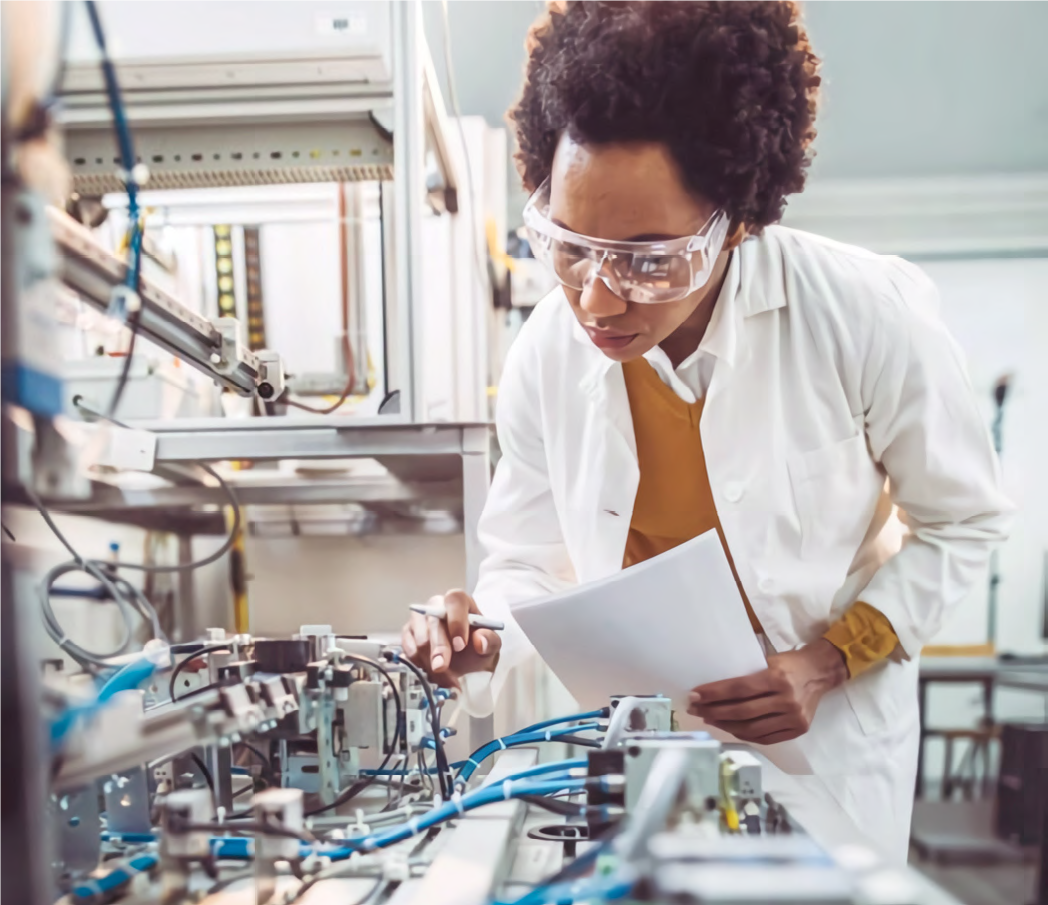
The South African Green Hydrogen TVET Ecosystem Just Transition Strategic Framework
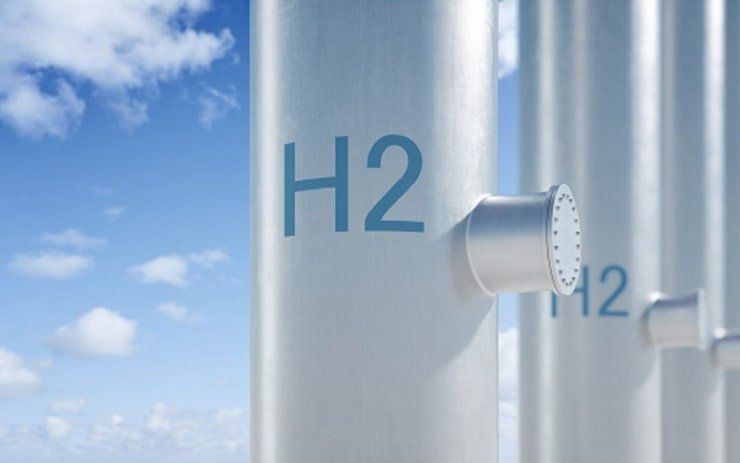
One of our chosen pathways for reaching a low-carbon future is the adoption of hydrogen as an energy source, over less sustainable and more polluting options. Hydrogen is the earth’s most abundant element, and is a versatile, zero-emission energy carrier with a high energy density. It can also be stored in large quantities and for long periods and can be employed in sectors that are hard to decarbonise (so-called ‘hard-to-abate’ sectors), including long-haul heavy-duty transport, chemicals, steel, cement, aviation, and shipping. It can also be used as a store of energy generated from renewables. The Hydrogen Council currently estimates that hydrogen could represent 18% of global energy demand by 2050. Platinum group metals (PGMs), essential in cleaning up the noxious gases from internal combustion engines (ICE) for some time to come, also play a critical role in the emerging hydrogen economy.